Pages

  • Twitter
  • Facebook
  • Google+
  • RSS Feed

October 11, 2014

Guipúzcoa


This Franciscan sanctuary devoted to the worship of the Virgin of Arantzazu and Ignatius of Loyola benefits from the highland silence and peaceful atmosphere of the Aizkorri mountain range and good road infrastructure that makes it an easy place to access by devotees and tourist alike.
The sanctuary build on the cliffs.
It is said that in this the place the Virgin of Arantzazu appeared to the shepherd Rodrigo de Balanzategui in 1468. The legend says that the Virgin Mary appeared to the shepherd over a green hawthorn and that with her appearance the two year long drought stopped with a miraculous pouring rain and all conflicts and fights finished when for the first time, without weapons, the leaders of the different sides meet where the Virgin image appeared.
The virgin of Arantzazu over the hawthorn.


To see and do in Oñati: Oñati itself it’s one the most beautiful places in the Euskadi and to add to the fascinating Sanctuary of Arantzazu you can find the Natural Park of Aizkorri-Aratz very close. If you visit at the right time you’ll find a wide variety of events and festivals, the main festivity in Arantzazu is on September 9.
The Natural Park of Aizkorri-Aratz


Where to stay

http://www.hoteltorrezumeltzegi.com/es/ar/1/inicio.html

October 8, 2014

Cordova


This Gothic Castle in the town of Belalcázar, in the province of Cordova, Andalusia, also known as Castle of Sotomayor, was built in the 15th century when the king John II of Castile granted these lands to Guitierre de Sotomayor to govern them as Count of Belalcázar. Although the castle is not quite well preserved, it still remarkable its central keep 75 m. high, its cistern and stables, and its extensive underground dungeon.


City Hall in Belalcázar
Festivities in Belalcázar


To see in Belalcázar: Parish of Saint James, of Renaissance style; Church of St. John the Baptist, Gothic-Renaissance, Convent of Santa Clara de la Columna, 15th century.

Convent of Santa Clara

Barcelona


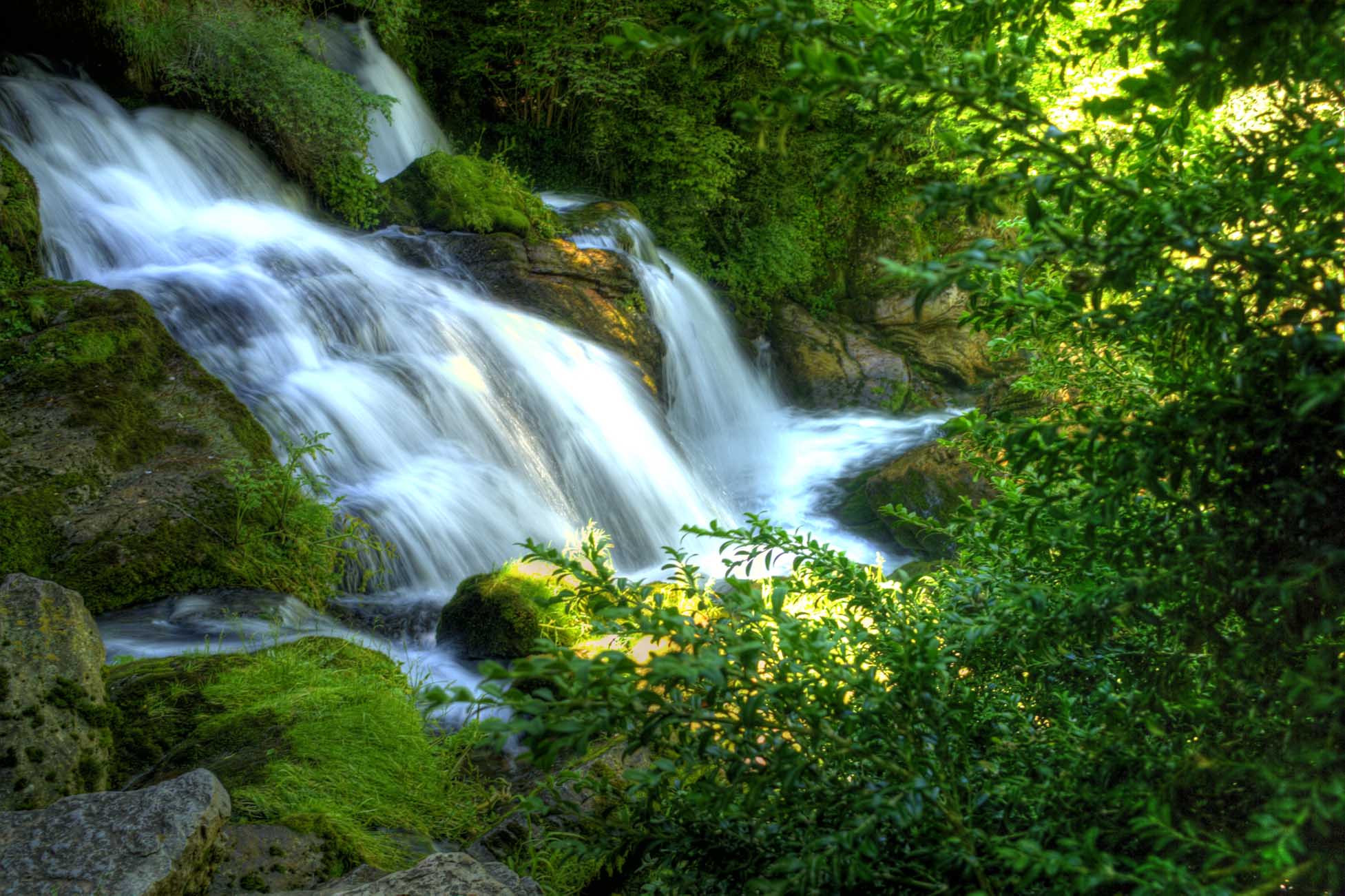
Las fuentes del Llobregat -sources or fountains of Llobregat, is the birthplace of this river in Barcelona. It comes from a word for ‘dark, murky’, which is lóbrego in Castilian, and llòbrec in Catalan, and it refers to its deep and seated course that makes it appear dark. Although the name of the river in Castilian is Lobregado, it is known in all Spain by its Catalan name, Llobregat.

Castellar de N’Hug

Castellar de N'Hug, main village in the area


Iglesia de Santa Maria de Castellar de N'Hug

This old church was built in the 10th century and later consecrated to Saint Michael by the Catalan nobleman Hug de Mataplana. Today it’s Romanic structure is preserved in a mixture with Neoclassical elements added in the 18th century.


Activities in the zone: ski, hiking, horse riding routes, climbing, cave exploring.

Where to stay


© 2014. The Other Spain | Culture and Turism beyond cliches.